

Bowing Basement Wall Repair in Central Indiana
"*" indicates required fields
Bowing Basement Wall? Get a Free Inspection and a Fast Repair from EverDry
Maybe you just noticed a small curve in your basement wall. Or maybe you’ve been watching it slowly push inward for weeks, wondering about where to go from here. A bowing wall can make you question the safety of your home—and that’s not something you should ever have to live with. At EverDry Waterproofing of Greater Indiana, we’re the local foundation repair company that steps in with clear answers and expert solutions. You won’t have to sort through inflated estimates or wait around for someone to finally call you back.
We’ve helped thousands of Hoosiers protect and strengthen their homes through proven, permanent basement waterproofing and repair services. As a locally owned company, EverDry can fix a bowing basement wall in Indianapolis and throughout Central Indiana quickly and correctly.
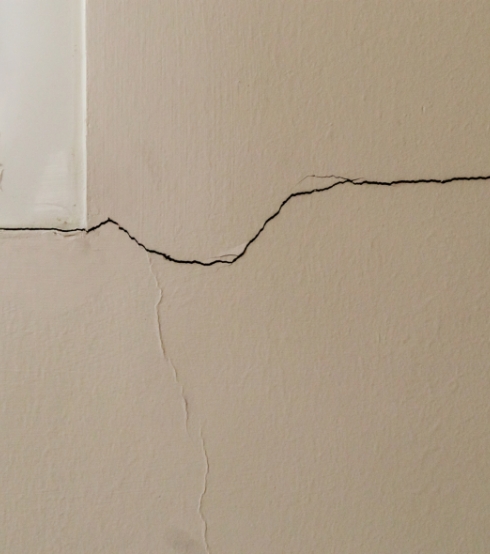
When to Worry About Bowing Basement Walls
We know how unsettling it is to see a basement wall that doesn’t look straight anymore. And yes, it should be a cause for concern—especially when other warning signs show up alongside it. Bowing basement walls can weaken your foundation, allow water intrusion, and lower the structural stability of your home.
If you’re noticing changes, don’t ignore them. Contact us for a free inspection so we can evaluate what’s needed for your bowed wall repair right away.
- Horizontal Cracks Wider Than 1/8 Inch: A thin hairline crack isn’t unusual in concrete, but a horizontal crack wider than 1/8 inch—especially one that continues to grow—is a red flag. Cracks that run along mortar joints in block walls often signal serious soil pressure behind the wall.
- Wall Leaning Inward More Than 1 Inch: If the wall appears to bow inward at the center by an inch or more, that’s structural movement—not just cosmetic settling. The more pronounced the curve, the more urgent the repair typically becomes.
- Step Cracks in Block Walls: Stair-step cracks that follow the mortar lines between blocks can indicate shifting foundation pressure. When these cracks widen over time, it often means the wall is actively moving.
- Water Seeping Through Cracks After Heavy Rain: If you notice damp streaks, active dripping, or pooling water near cracks following storms, hydrostatic pressure is likely building behind the wall and forcing moisture through weakened areas.
- Efflorescence or Flaking Block Surfaces: White powdery residue or crumbling block surfaces may indicate long-term moisture intrusion. Over time, repeated saturation weakens the wall’s structural integrity.
It may be surprising, but not every bowed wall needs full replacement. The right repair depends on how far the wall has shifted and what’s causing it—and the only way to know for sure is with a professional inspection.
Why Is My Basement Wall Bowing? Will It Happen Again?
Bowing basement walls are one of the most common foundation problems in Central Indiana. Our freeze-thaw cycles, heavy spring rains, and clay-heavy soil all put steady pressure on foundation walls. Many homes here were built with block foundations that weren’t designed for decades of saturated soil pushing against them. When that pressure builds up year after year, walls can begin to move inward.
Hydrostatic Pressure From Saturated Soil
After long periods of rain, the soil around your foundation becomes heavy and waterlogged. As it expands, it pushes against basement walls with significant force. Over time, that constant pressure can cause horizontal cracks and inward bowing. If drainage issues aren’t corrected, the movement usually continues and can gradually worsen.
Expansive Clay Soil
Much of this area has clay-rich soil that expands when wet and shrinks when dry. That repeated swelling and contracting creates ongoing stress against foundation walls. During wet seasons, the soil presses inward; during dry spells, it pulls away and shifts. That cycle can slowly weaken the structure and contribute to basement wall bowing.
Poor Exterior Drainage
Improper grading, clogged gutters, or short downspouts can direct water toward your foundation instead of away from it. When water pools near the base of the home, it increases pressure on basement walls. Over time, that added force can cause cracking and inward movement.
Aging Block Foundations
Many older homes were built with concrete block walls that rely heavily on mortar joints for strength. As mortar deteriorates with age and moisture exposure, the wall becomes more vulnerable to outside pressure. Once the wall begins to shift, it almost always requires some type of structural reinforcement.
Freeze and Thaw Cycles
Cold winters followed by warming temperatures cause soil to freeze, expand, thaw, and shift. That movement adds repeated stress to foundation walls. Over several seasons, this can accelerate cracking and basement wall bowing, especially if moisture levels are already high.
With a well-executed bowing basement wall repair and the right foundation waterproofing to manage moisture, this doesn’t have to be something you continue to have to deal with and stress about. Contact EverDry about your bowing basement wall in Central Indiana so we can see exactly what you need.
Stop the Pressure, Strengthen the Wall, Protect the Foundation: How EverDry Does It
At EverDry Waterproofing of Greater Indiana, we offer both basement waterproofing and foundation repair services because you can’t fix one without addressing the other. If we only brace the wall but ignore the water and soil pressure behind it, the problem will continue. That moisture will keep building pressure and can cause further cracking or movement over time. That’s why we focus on correcting the existing damage and stopping the conditions that caused it in the first place.
Step 1: Control the Water and Soil Pressure
Bowing happens because outside soil is pushing inward. In this area, heavy rain and clay soil create intense lateral pressure against basement walls. If that pressure isn’t relieved, no structural fix will hold over time. That’s why, for most projects, we begin every foundation repair plan by first reducing moisture around the home.
Depending on your property, this may include interior drainage systems, backup sump pumps to better manage groundwater, correcting grading issues, extending downspouts, or installing exterior drainage solutions. You may also be interested in basement sealing or a vapor barrier installation.
Step 2: Stabilize the Wall Based on How Far It Has Moved
Once we’ve addressed the outside pressure, the next step is stabilizing the wall itself. For mild to moderate bowing, we often recommend the Stabl-Wall™ carbon fiber system. These carbon fiber strips are bonded directly to the interior surface of the wall using a high-strength epoxy. Once cured, they create a permanent reinforcement that prevents further inward movement.
Stabl-Wall™ is incredibly strong—stronger than steel by weight—and it sits flush against the wall. There’s no bulky hardware sticking out into your basement space, and no exterior excavation required. Once installed, the system requires no ongoing maintenance and can even be painted over for a clean look.
For more severe bowing or where blocks have shifted significantly, we may recommend interior steel I-beams or other work. The exact method depends on how far the wall has moved and the overall condition of the foundation.
Ready for an inspection and quote? Talk to EverDry about your bowing basement wall repair in Greater Indiana.
Why Thousands of Hoosiers Continue to Choose EverDry
When it comes to your foundation, you don’t want just any contractor who says they can come take a look. It’s important to find an experienced, highly rated Indiana foundation service just like us. You need to be able to trust the process and the people doing the work!
At EverDry Waterproofing of Greater Indiana, we’re focused on your home’s health and safety from start to finish. Here’s more about our basement and foundation repair company in Indianapolis:
- Locally Owned and Operated: We’re a locally owned and operated basement waterproofing company, and all work is completed by local basement contractors. We’re also part of the EverDry parent company, the nation’s largest and most experienced waterproofing company, which gives you the backing of proven systems and unmatched warranties.
- Highly Rated in Our Communities: We’ve earned the trust of homeowners through consistent results and honest service. Our reviews, referrals, and repeat customers reflect the confidence people have in us when repairing a bowing basement wall in Indianapolis and beyond.
- Skilled, Knowledgeable Contractors: Every member of our team is trained in industry best practices and uses professional-grade tools and materials.
- Clear Pricing and Financing Options: We explain what’s happening with your wall, walk you through your options, and provide straightforward pricing. No scare tactics, no rushed decisions—just honest guidance and financing options to help you move forward now.
When you’re searching for companies to handle a bowing basement wall near me, EverDry works all throughout Greater Indiana, including Carmel, Noblesville, Fishers, Greenwood, Plainfield, Zionsville, Muncie, Lafayette, Bloomington, Terre Haute, Franklin, Beech Grove, and more local communities.
Contact Us About Your Bowed Basement Wall Repair
You shouldn’t have to keep waiting and worrying about what’s happening behind that wall. Let’s get you clear answers and a plan that helps you feel comfortable and confident in your home again. Our team will inspect the issue, explain what’s going on, and outline the right repair options without pressure. Call or fill out our online form to speak with EverDry about your bowing basement wall repair in Indianapolis and the surrounding Central Indiana area.
Customer Reviews





